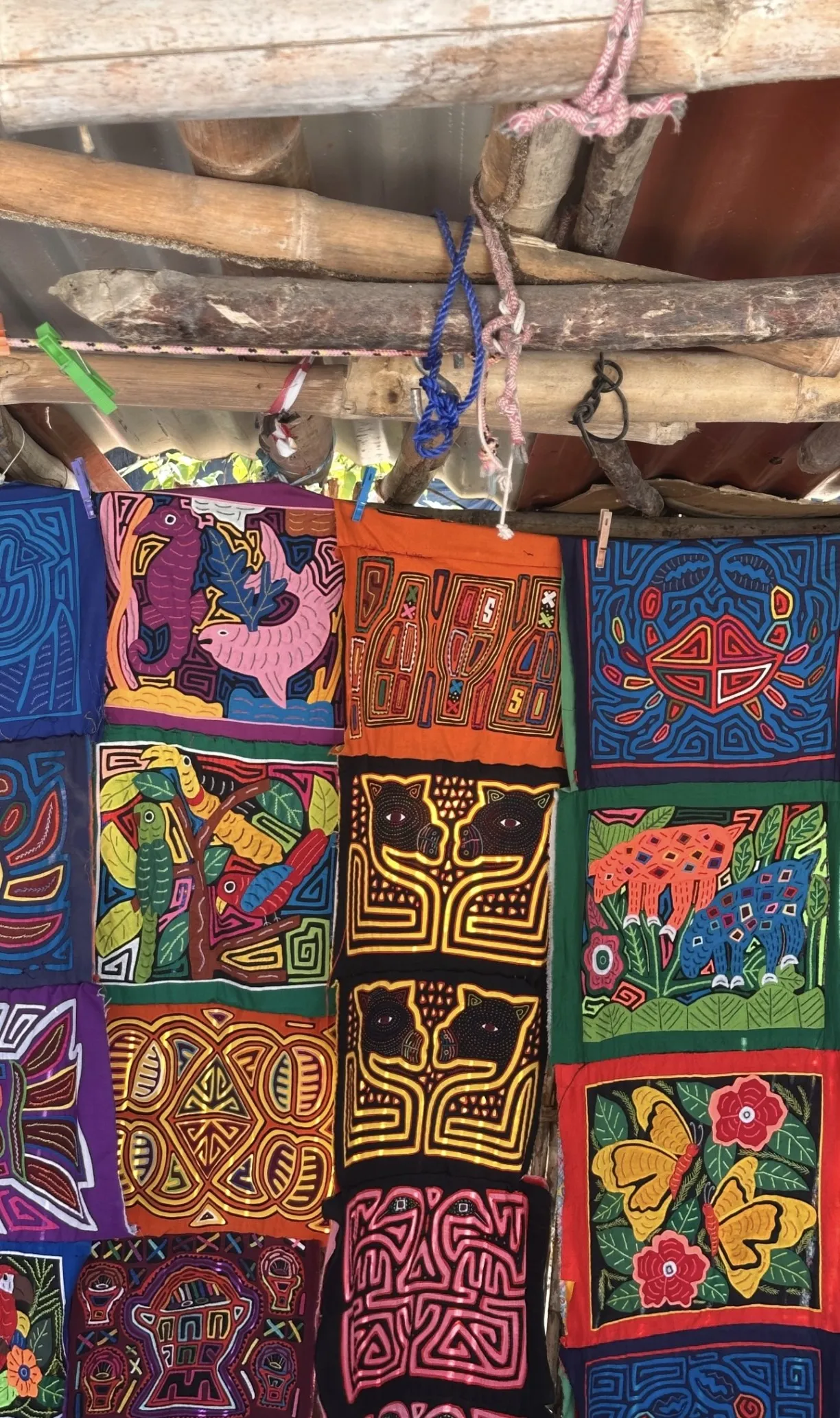
Culture & Heritage: The Guna Indigenous People
- Handmade Mola Textiles: Multi-layered reverse appliqué needlework reflecting Guna spiritual mythology.
- 1925 Dule Revolution: Historical uprising that established indigenous autonomy and cultural sovereignty in Panama.
- Matrilineal society: Guna women play an essential leadership role in family inheritance and traditions.
- Harmony with nature: Deep ecological and spiritual reverence for the ocean, coral reefs, and rainforest.
The 1925 Dule Revolution & Comarca Autonomy
In the early 20th century, outside authorities attempted to forcefully assimilate the Guna people by outlawing the Dulegaya native language, spiritual gatherings, and the traditional dress worn by Guna women. In February 1925, Guna leaders launched the historic Dule Revolution, declaring the Republic of Tule.
Following peace accords mediated with international oversight, Panama officially recognized the sovereign autonomy of the comarca, granting the Guna General Congress sole jurisdiction over territorial governance, tourism, and marine conservation.
The Art of the Mola: Layers of Craft & Cosmology
The Mola is far more than a souvenir: it is a protected collective cultural masterpiece.
- Reverse-Appliqué Technique: 2 to 7 layers of brightly colored cotton fabric are basted together. The artisan delicately cuts into the upper fabrics and folds under the edges with microscopic, nearly invisible hand stitches to reveal underlying hues.
- Sacred & Naturalist Motifs: Designs range from spiritual protection labyrinths (*gandu*) to sea turtles, spotted eagle rays, medicinal flora, and everyday island life.
- Direct Support to Women Artisans: Staying on Pelicano Island allows you to purchase authentic Molas directly from the indigenous women who craft them.
The Guna General Congress & the Sagladummagan
Each indigenous island community is led by its local Saila (spiritual leader and town hall governor). Twice a year, the Guna General Congress convenes, led by the three Sagladummagan (General Chiefs). This assembly system has protected San Blas from destructive overdevelopment, commercial trawling, and ecological degradation.
Respectful Cultural Etiquette for Visitors
- Photographing Locals: Always ask politely for consent before taking portraits of Guna women or children in their traditional regalia (*dulemola* and *winki* bead bands).
- Marine Conservation: Never remove live starfish, coral fragments, or conch shells from the seabed.
- Fair Trade: Purchasing Molas directly at fair prices empowers local family livelihoods and preserves this ancestral craft.
Frequently Asked Questions (FAQ)
A Mola is an intricate handmade textile art created by Guna women using reverse appliqué, layering 2 to 7 colored cotton fabrics with geometric and wildlife motifs.
Guna Yala is governed autonomously by the Guna General Congress, where traditional leaders (Sahilas) convene to maintain cultural law, territory protection, and sustainable tourism.
Yes! Local Guna artisans frequently present their handmade Molas directly to guests, allowing you to bring home an authentic cultural masterpiece.
Explore More Film & Guna Culture Guides
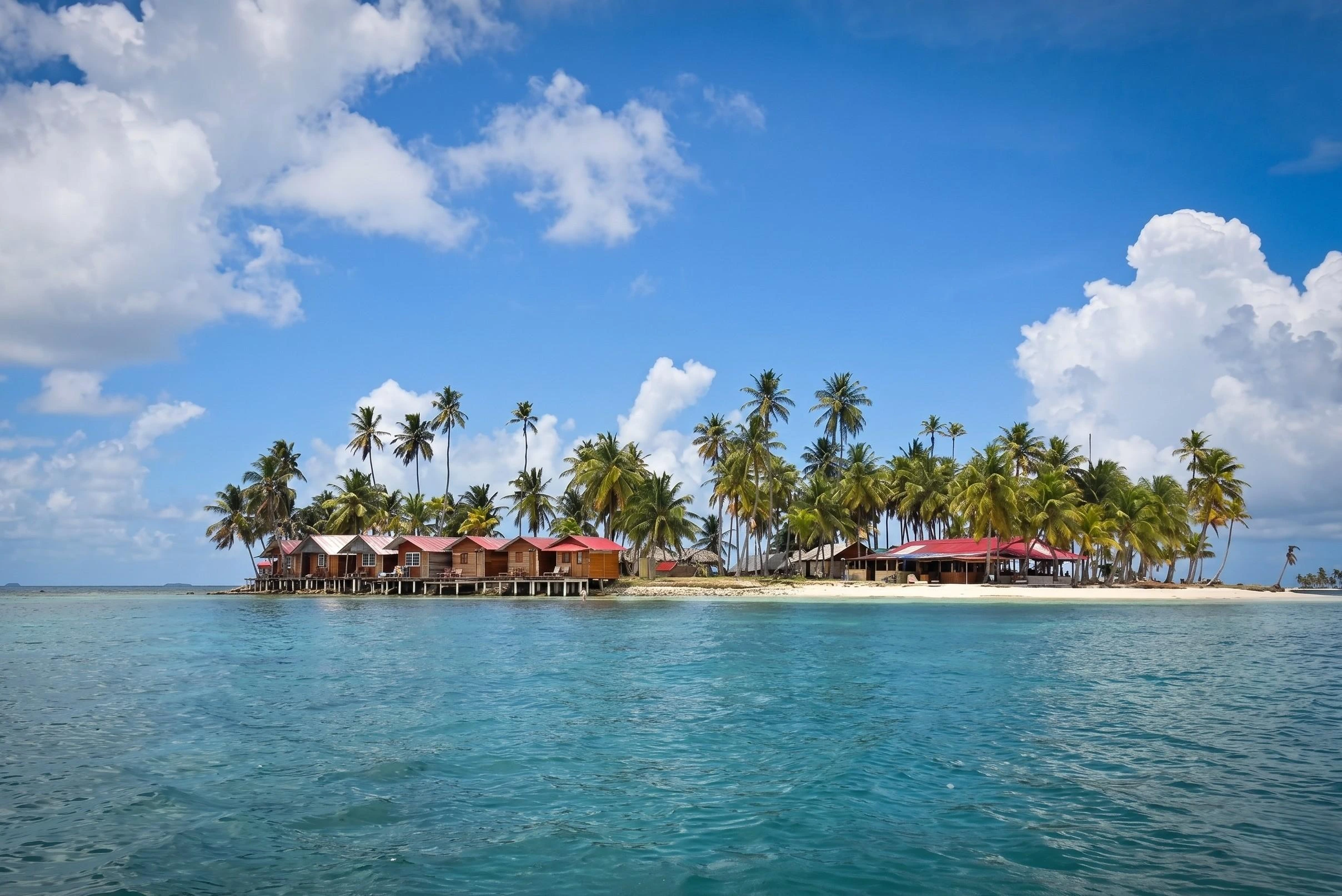
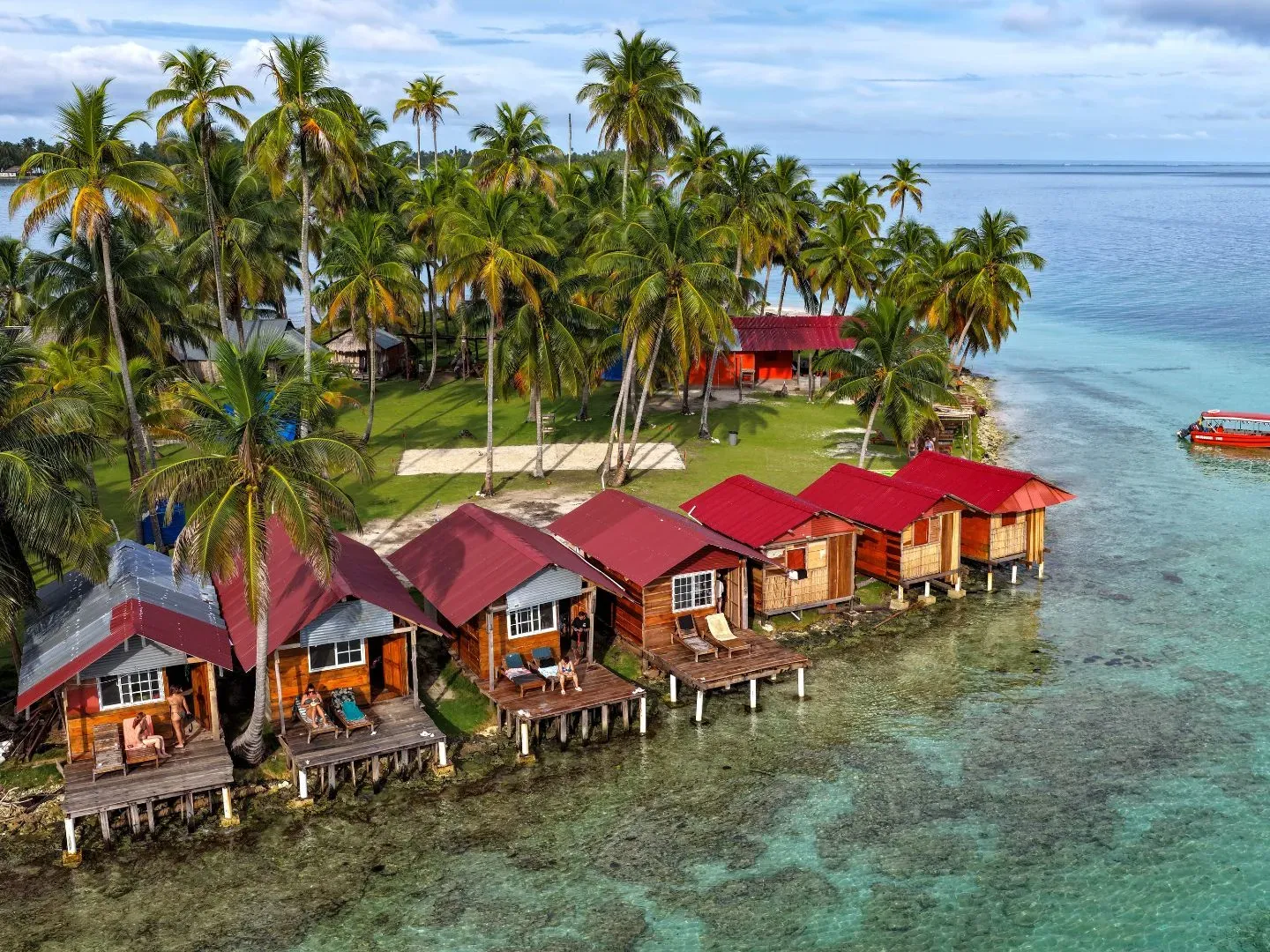
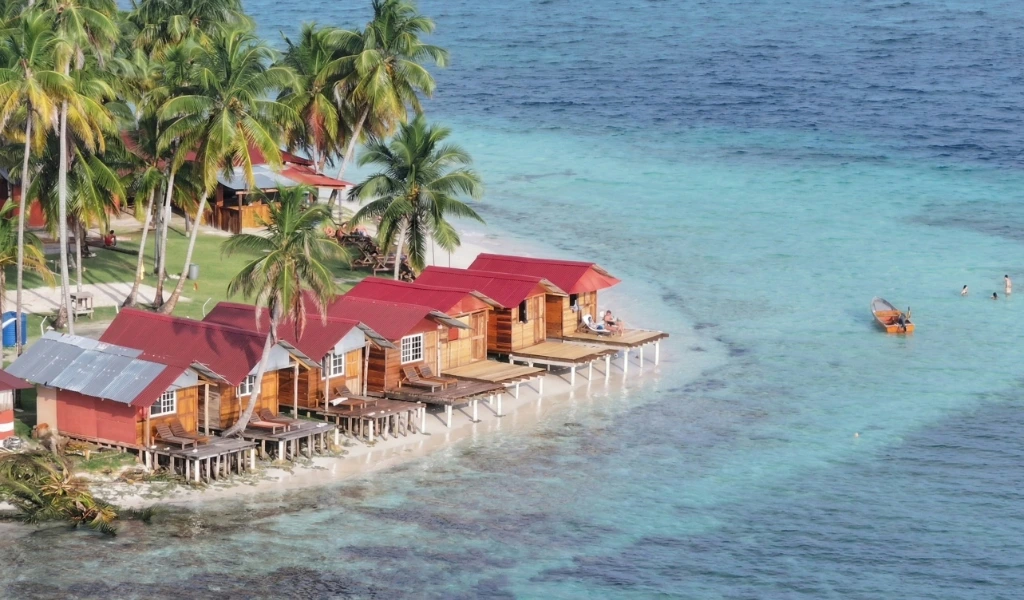
Experience Authentic Guna Hospitality
Book your all-inclusive stay on Pelicano Island directly with our indigenous family (4x4 transport, speedboats, meals, and cultural visit included).