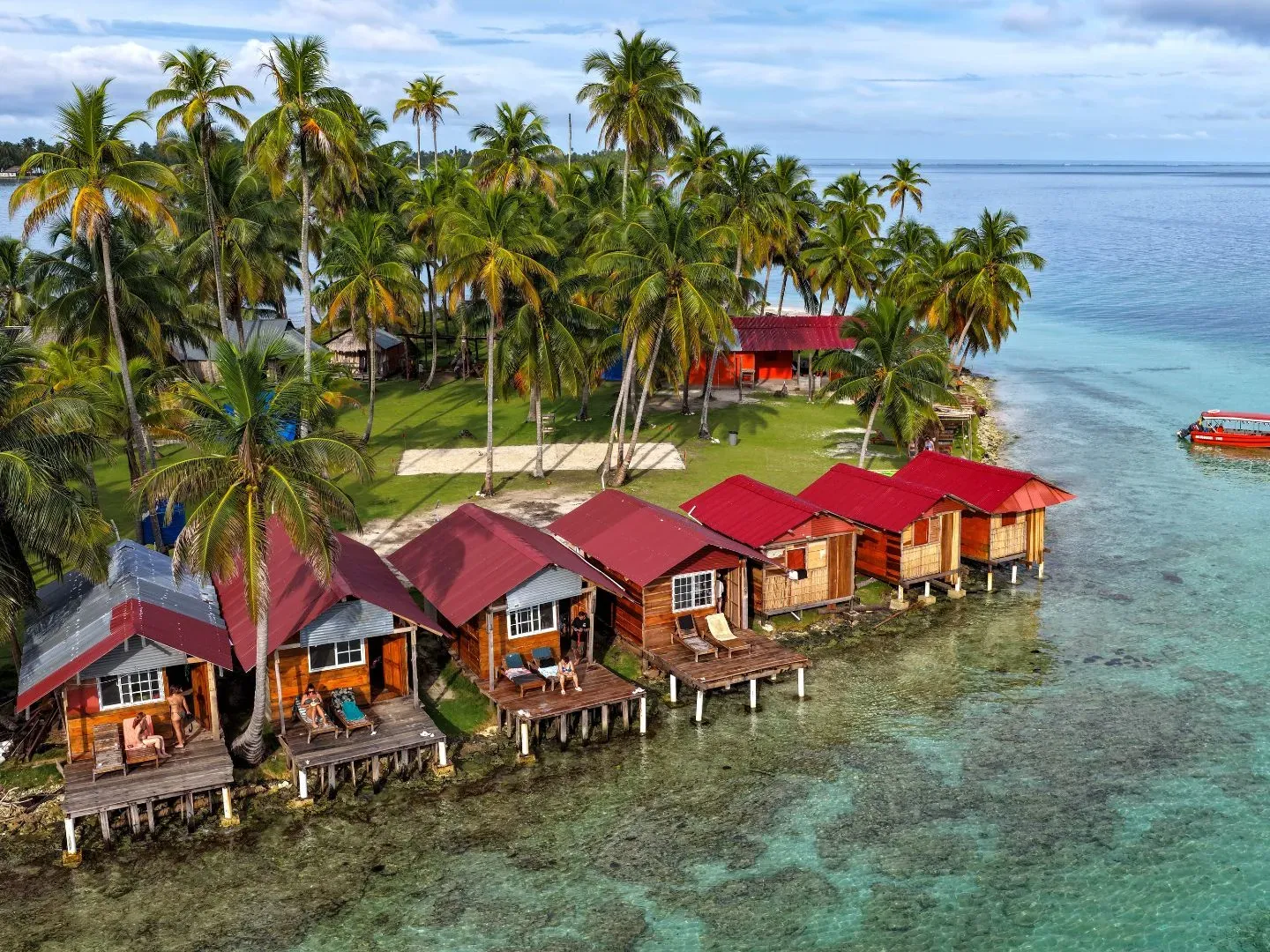
Ancestral Roots: The Story of Gorginega Island
- Traditional toponymy: Known in indigenous Dulegaya as Gorgidub or Gorginega ('Home of the Pelicans').
- Family stewardship: Managed sustainably across generations by our local indigenous Guna host family.
- Autonomous territory: Governed under the self-determined laws of the Guna General Congress.
- Direct ethical impact: Staying here directly funds indigenous livelihoods and cultural preservation.
The Ancestral Meaning of Gorgidub and Gorginega
Across the San Blas archipelago, each of the 365+ coral cays bears an ancestral name rooted in indigenous fauna, geography, or spiritual traditions. In the native Dulegaya language:
- Gorgi: Designates the native brown pelican (Pelecanus occidentalis), which has nested across the cayo's coconut palms and dived for reef fish in its surrounding coral shallows for centuries.
- Dub: The traditional indigenous suffix meaning "island" or "cay". Thus, Gorgidub translates literally to Pelican Island.
- Nega: Signifies "home", "shelter", or "ancestral sanctuary". When combined, Gorginega translates precisely as "The Home or Sanctuary of the Pelican".
Family Custodianship & Autonomous Indigenous Land Rights
Unlike conventional Caribbean destinations where foreign developers purchase oceanfront properties, selling land to outside corporations is strictly forbidden under the sovereign constitution of Guna Yala.
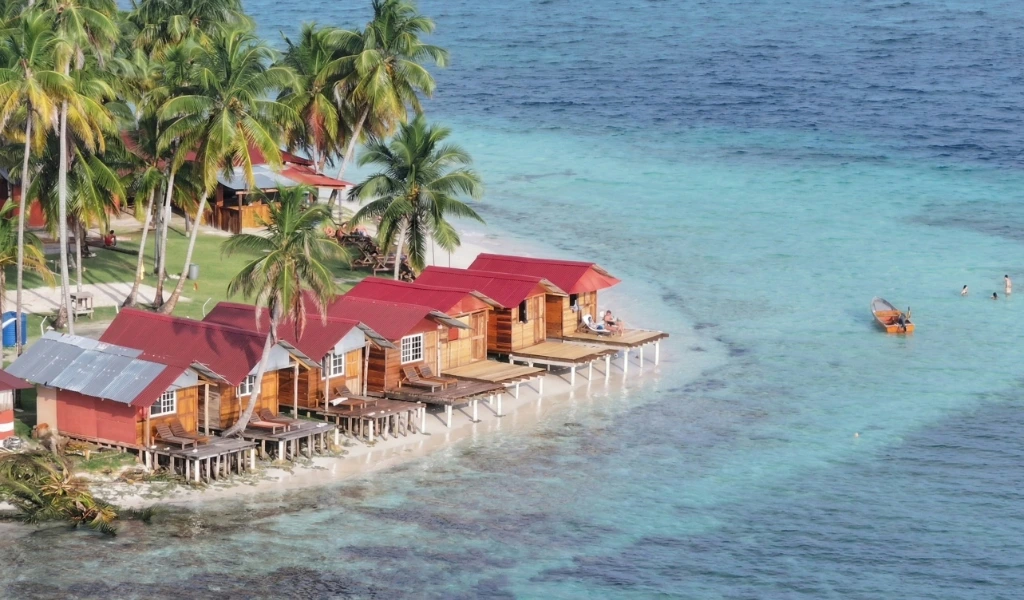
Pelicano Island is preserved as a family-run heritage sanctuary. The palm groves, beachfront, and hand-built rustic wood cabanas are stewarded according to indigenous principles of harmony with Mother Earth (Nabgwana). Choosing a direct stay here guarantees that 100% of the economic benefits directly support indigenous family education, healthcare, and community welfare without intermediary leakages.
Behind the Scenes: The 2018 Netflix Filming of Money Heist
In 2018, the international production team of Netflix's worldwide phenomenon La Casa de Papel (Money Heist, Season 3) scouted hundreds of tropical islands across Latin America. They chose Gorgidub (Isla Pelícano) along with nearby cays like Wichudub, Bibbi, and Morobdub to portray Tokyo and Rio's romantic desert-island refuge.
For our host family, welcoming a major global film crew was an unprecedented milestone. A landmark diplomatic agreement was signed between the family owners and the General Congress of Guna Yala, establishing strict environmental protocols: outside cameras were barred from filming unauthorized areas, and access to the island was strictly limited to authorized production personnel alongside a direct family representative and an official indigenous congress delegate.
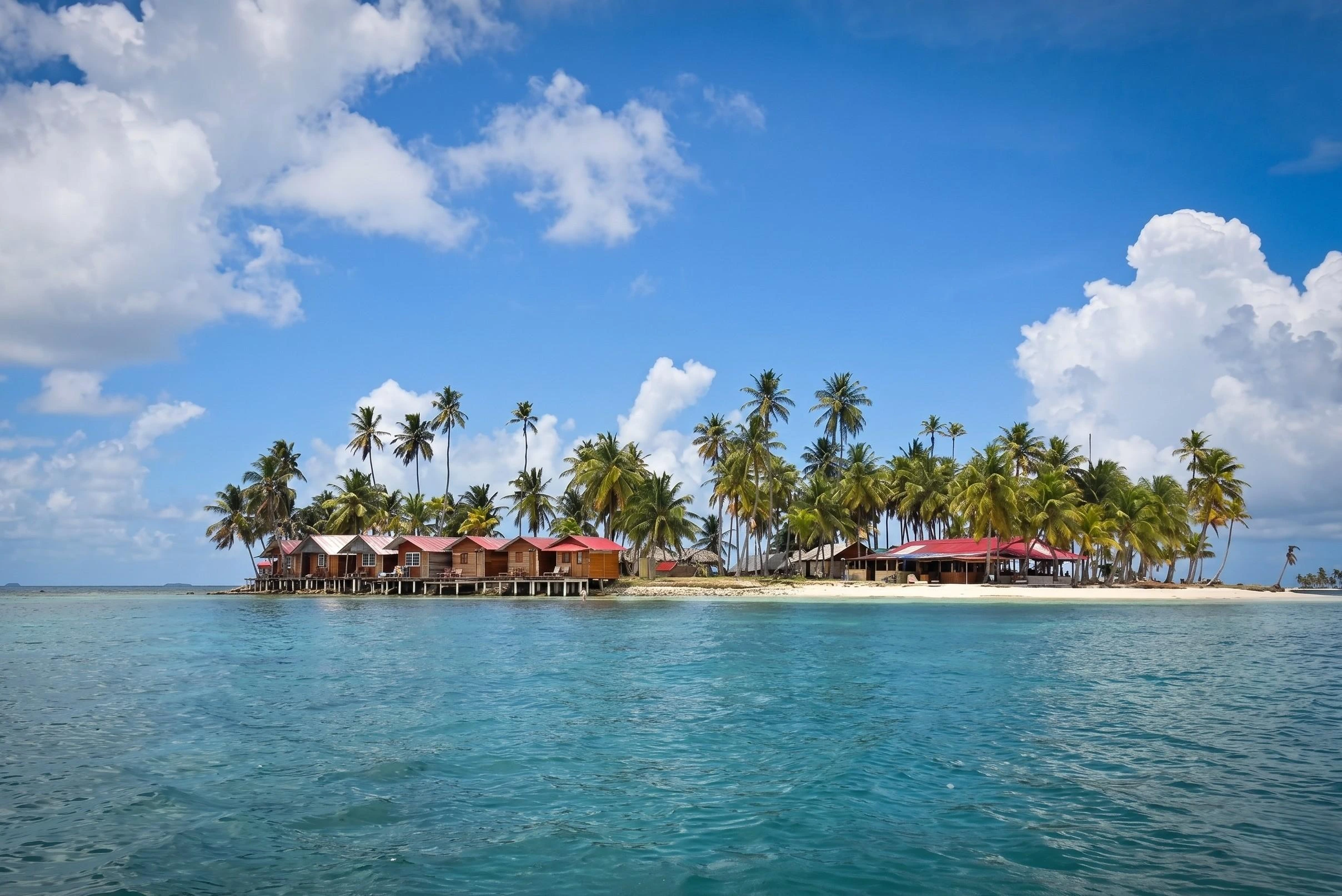
To preserve the island's raw, uncrowded atmosphere, the lead actors stayed on a neighboring cay between shoot days, while the host family shared Caribbean daily life and fresh seafood with the film crew. Today, visitors can walk the exact sandy paths, relax under the same coconut palms, and sleep in the real tropical sanctuary where Tokyo and Rio hid from the world.
Frequently Asked Questions (FAQ)
'Gorgi' means pelican and 'nega' means home or dwelling. The ancestral name honors the brown pelican colonies that nest in the island's palms and surrounding reefs.
Foreign commercial land ownership is prohibited in Guna Yala. The island is communally stewarded by our local Guna family under the autonomous oversight of the Guna General Congress.
100% of your booking proceeds remain within the Guna community, directly funding local families, schools, and sustainable reef preservation.
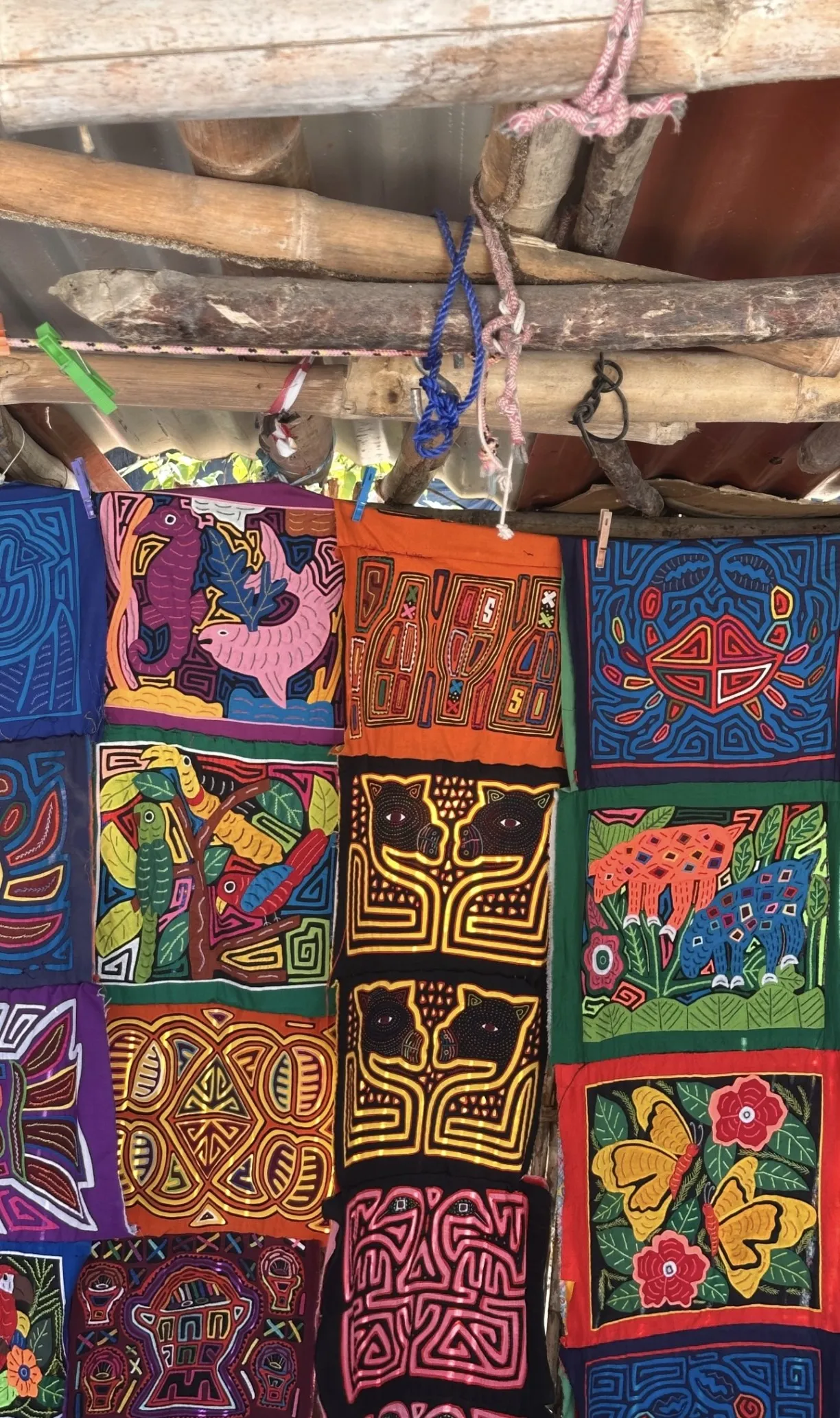
Explore More Film & Guna Culture Guides
Experience Gorginega Firsthand
Immerse yourself in authentic indigenous culture by booking your stay directly with our Guna family on Pelicano Island. Book via WhatsApp.