San Blas Photography: Essential Facts
- Best time of day: Golden hour in San Blas is especially magical — sunrise over the Caribbean at 6:00 AM and sunset at 6:30 PM.
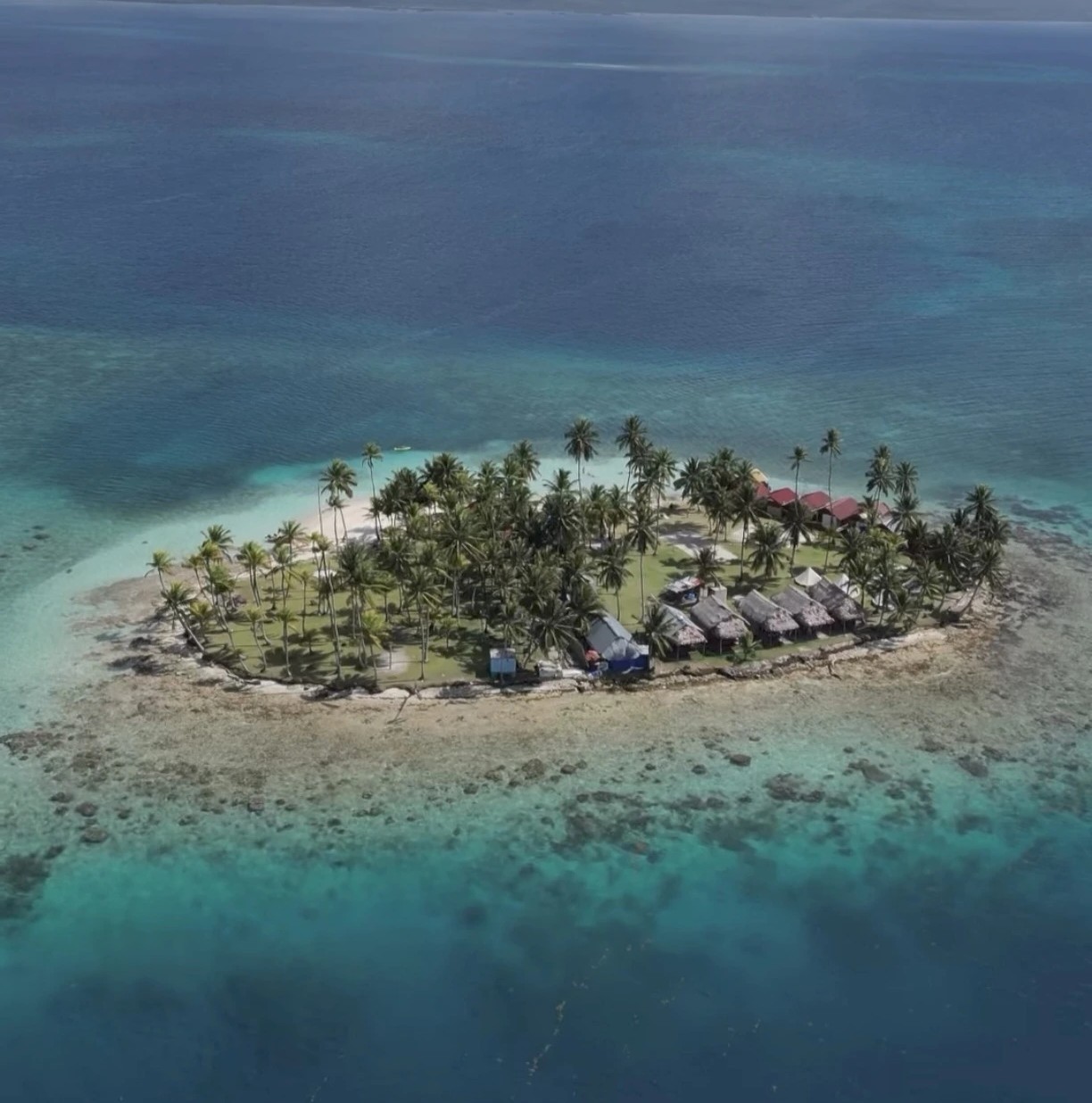
- Drones PROHIBITED: UAVs are strictly forbidden throughout Guna Yala territory. Risk of equipment confiscation and financial penalty.
- Photographing Guna people: Always ask permission before photographing Guna women. Some charge a small fee ($1-2 USD). This is a mandatory cultural respect rule.
- Recommended gear: Waterproof camera or submersible case is essential for the speedboat crossing and snorkeling activities.
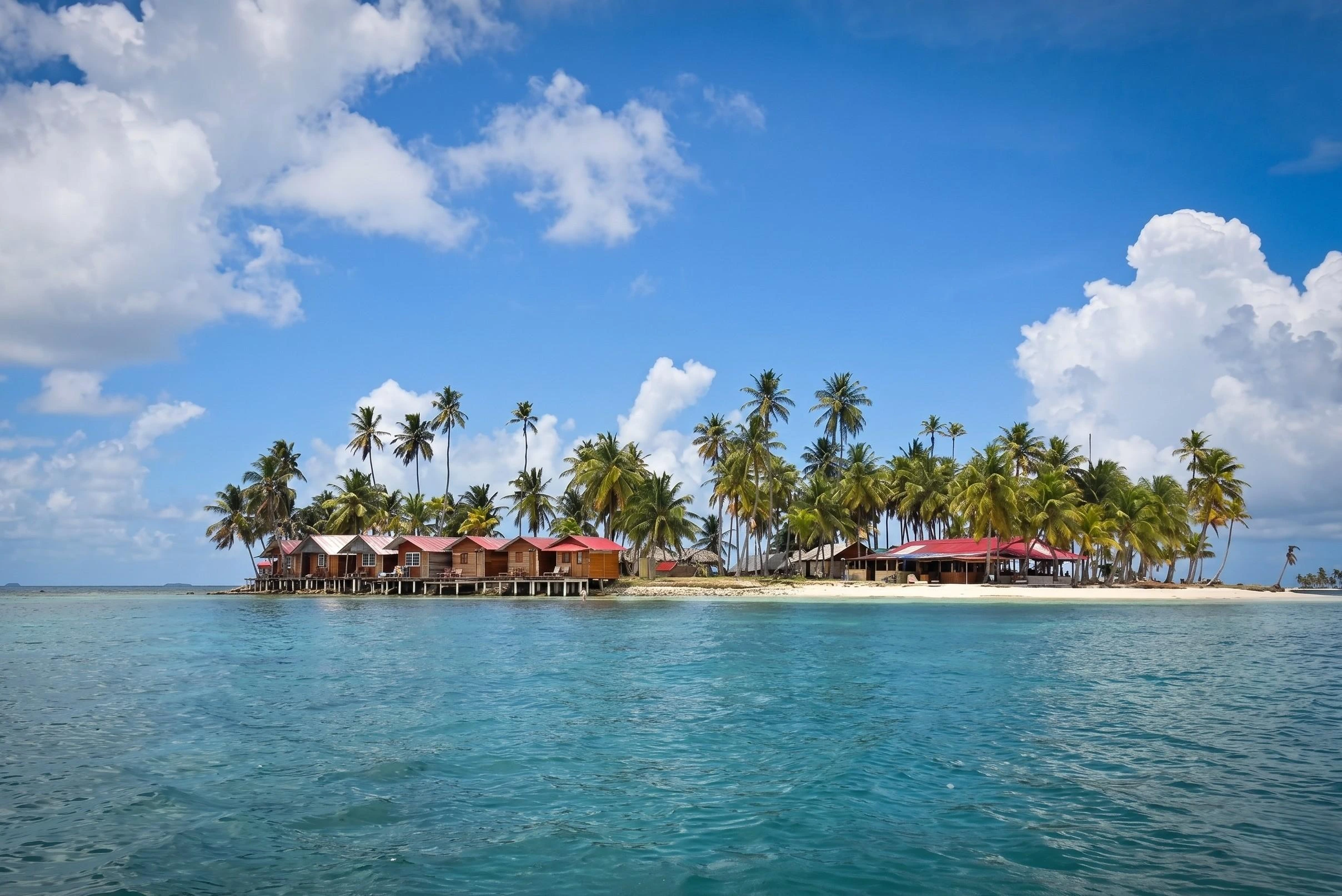
The San Blas (Guna Yala) photographs circulating on Instagram do not do reality justice. The archipelago has colors that no filter can replicate: the electric blue of the Dutch Cays, the crystal turquoise of the Starfish Island Natural Pools and the blinding white of Pelicano Island's sand under the midday sun.
In this photography guide we give you all the details you need to come home with the best shots possible without violating the Guna comarca's cultural rules.
1. Best Lighting Hours in San Blas
- Sunrise (6:00 - 7:30 AM): The single best hour for island photography. The sun rises over the Caribbean horizon in orange and pink. No tourists in the water, no harsh shadows. The island in total silence.
- Late morning (9:00 - 11:00 AM): Bright light perfect for high-saturation turquoise water photos. Best time to photograph the Natural Pools and sea stars.
- Midday (12:00 - 2:00 PM): Very harsh light. Avoid portraits. Ideal for photographing the sea floor from the surface with overhead light penetrating the water.
- Golden Hour (5:30 - 6:30 PM): Magic hour. Raking sunlight illuminates the palm trees and the water changes from turquoise to gold. Best time for beach portraits.
2. Best Photography Locations
- Pelicano Island (Gorginega): The wooden dock at sunrise — the same scene in Money Heist. The palm-lined shore at sunset with a clear horizon.
- Starfish Island Natural Pools: The inland lagoon with white sand floor and giant orange sea stars — the most searched San Blas photo. Arrive before 10 AM to have it nearly to yourself.
- Dutch Cays: The most intense blue in the archipelago. Photos from the boat over the coral reef are unrepeatable. Only accessible on a special excursion (+$70 USD).
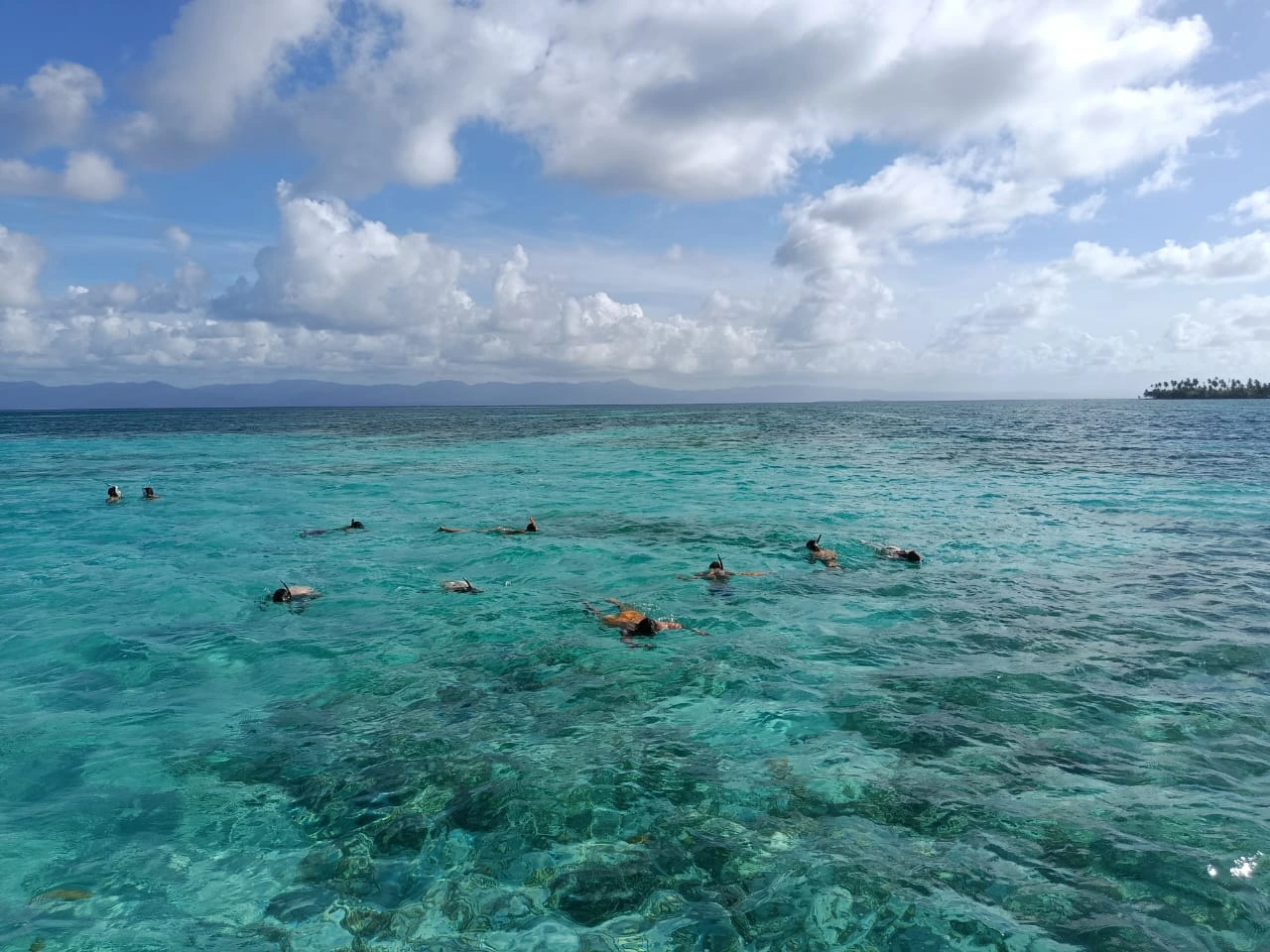
- Dog Island (Isla Perro): Underwater snorkeling photography of the sunken shipwreck. Coral arches, parrotfish and barracuda just meters below the surface.
- Guna cayucos (canoes): The painted wooden canoes Guna people use for navigation are one of the archipelago's iconic photo subjects.
3. Cultural Rules for Photography in Guna Yala
- Always ask permission before photographing Guna people, especially women in traditional dress. Some charge $1-2 USD as compensation for their image — pay it without bargaining.
- Interiors of Guna dwellings cannot be photographed under any circumstances without an explicit invitation.
- Guna ceremonies, rituals and community gatherings are completely private.
- Drones and UAVs are BANNED throughout the Guna Yala Comarca. Equipment confiscation and financial fines are the usual consequences.
4. Recommended Photography Gear
- Main camera: Any mirrorless or DSLR works well, but protect it with a rain cover during the speedboat crossing (splashing is inevitable).
- For snorkeling and water: GoPro Hero or DJI Osmo Action are the most practical solution. Budget alternative: a quality universal waterproof phone case.
- Recommended lenses: Wide angle (16-35mm) for landscapes and sea. 50mm or 85mm for beach portraits with bokeh.
- Extra batteries and storage: There is no grid electricity on the islands. Charge your batteries the previous night using the cabin's solar system (available 6 PM - 11 PM).
Preguntas Frecuentes (FAQ)
No. Drones and UAVs are absolutely prohibited throughout the Guna Yala Autonomous Comarca. Guna authorities confiscate equipment and apply financial penalties. This ban applies regardless of the drone model or size.
It depends on the individual. Some Guna women (especially those who sit near the beach in traditional dress for tourists) charge a small fee of $1-2 USD for being photographed. Always ask first and pay without bargaining — it is their way of participating in the tourism economy.
For land photography, any mirrorless or DSLR with a wide-angle lens (16-35mm) is perfect. For water and snorkeling, a GoPro Hero or DJI Osmo Action is the most practical. If using a smartphone, bring a quality waterproof case for the speedboat crossing.
Yes. The complete absence of light pollution makes Pelicano Island exceptional for astrophotography (Milky Way). You need a camera with good high-ISO performance (ISO 3200-6400), a fast wide-angle lens (f/1.8 or f/2.8) and a compact tripod.
Explore More Guides in This Cluster

Visit Pelicano Island and Bring Back the Best Caribbean Photos
Send us a WhatsApp message and book your stay on the most photographed island in San Blas — the real Money Heist filming location with the turquoise waters of the archipelago.