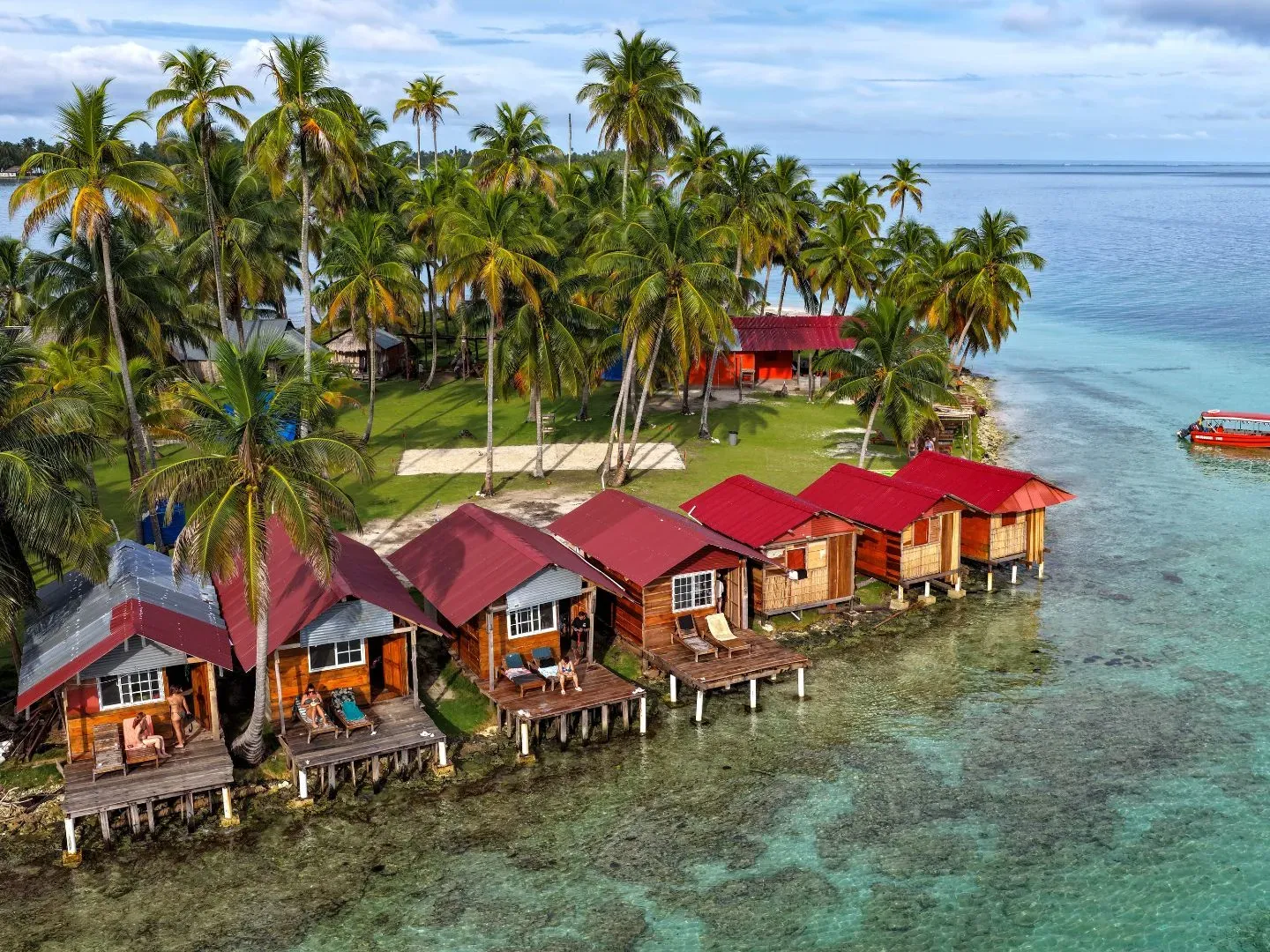
Ancestral Roots: The Story of Gorginega Island
- Traditional toponymy: Known in indigenous Dulegaya as Gorgidub or Gorginega ('Home of the Pelicans').
- Family stewardship: Managed sustainably across generations by our local indigenous Guna host family.
- Autonomous territory: Governed under the self-determined laws of the Guna General Congress.
- Direct ethical impact: Staying here directly funds indigenous livelihoods and cultural preservation.
The Ancestral Meaning of Gorgidub and Gorginega
Across the San Blas archipelago, each of the 365+ coral cays is named after indigenous fauna, marine life, or native flora. In Dulegaya:
- Gorgi: Refers to the brown pelican (*Pelecanus occidentalis*), which historically nested in the coconut canopy of the cay and fed in the surrounding shallow coral reef.
- Dub: The native suffix meaning "island" or "cay". Thus, Gorgidub translates literally to Pelican Island.
- Nega: Signifies "home", "house", or "sanctuary", giving rise to the affectionate name Gorginega.
Family Custodianship & Autonomous Indigenous Land Rights
Unlike most Caribbean beach destinations where multinational hotel chains own oceanfront properties, selling land to non-indigenous corporations is strictly prohibited under Guna Yala comarca law.
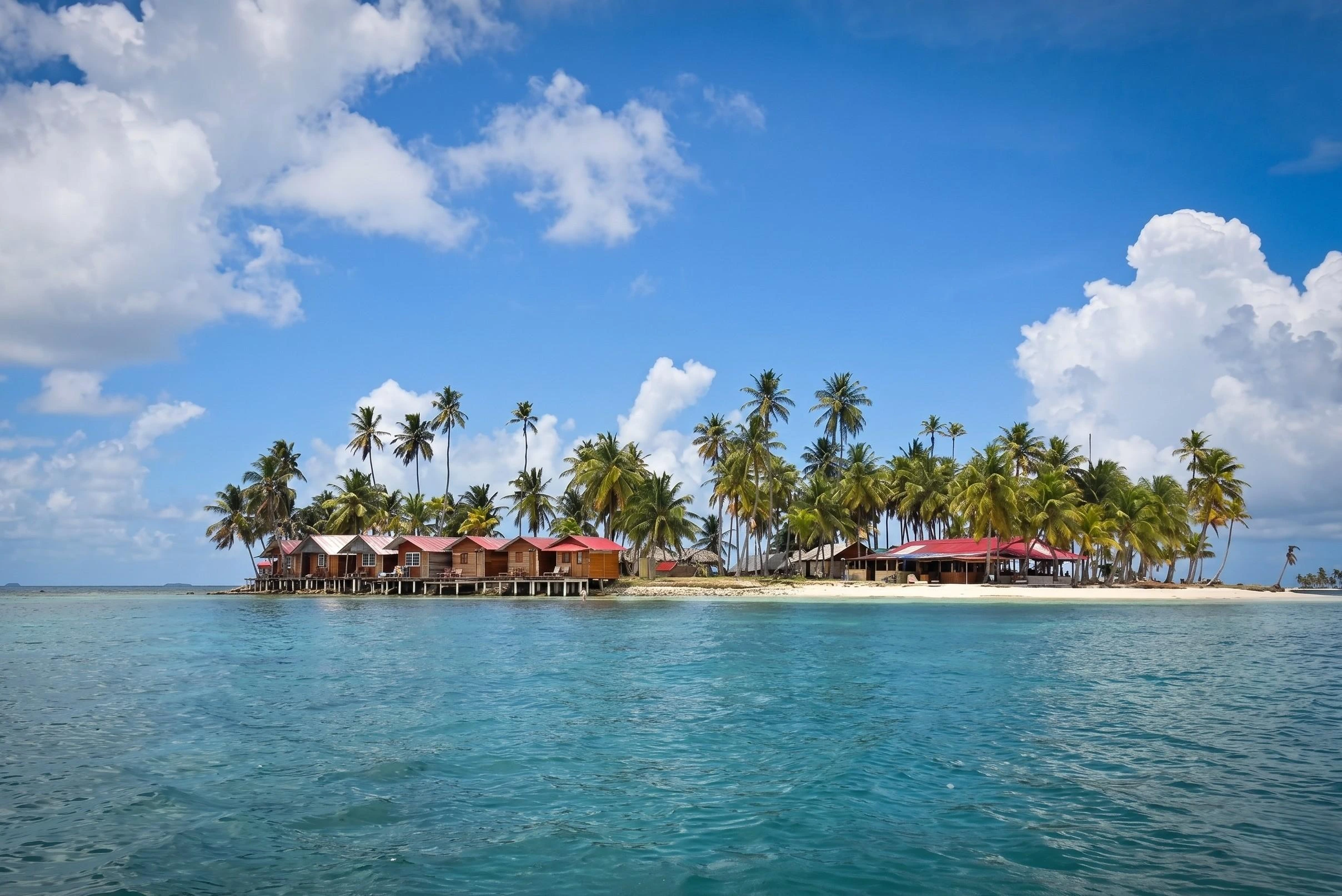
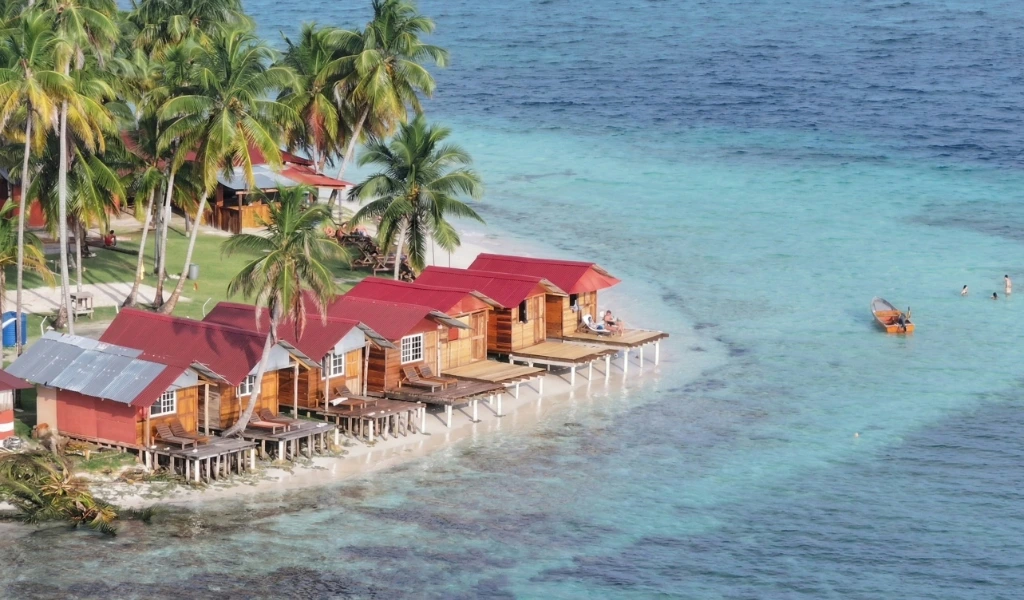
Pelicano Island is preserved as a family-run sanctuary. Coconut palms, handcrafted wooden cabanas, and pure sandbars are maintained according to indigenous principles of harmony with Mother Earth (*Nabgwana*), ensuring ecotourism directly benefits local family education and community welfare.
From Fishermen's Haven to Global Landmark
For decades, Gorgidub served as a seasonal fishing outpost for local Guna divers gathering lobster and reef fish. With the emergence of sustainable community ecotourism, the family crafted eco-cabanas using native pine timber, wild cane, and thatch.
This untouched, authentic preservation was the exact reason Netflix producers selected the island out of hundreds across the Caribbean to serve as Tokyo and Rio's hideaway in 2019.
Frequently Asked Questions (FAQ)
'Gorgi' means pelican and 'nega' means home or dwelling. The ancestral name honors the brown pelican colonies that nest in the island's palms and surrounding reefs.
Foreign commercial land ownership is prohibited in Guna Yala. The island is communally stewarded by our local Guna family under the autonomous oversight of the Guna General Congress.
100% of your booking proceeds remain within the Guna community, directly funding local families, schools, and sustainable reef preservation.
Explore More Film & Guna Culture Guides
Experience Gorginega Firsthand
Immerse yourself in authentic indigenous culture by booking your stay directly with our Guna family on Pelicano Island. Book via WhatsApp.